

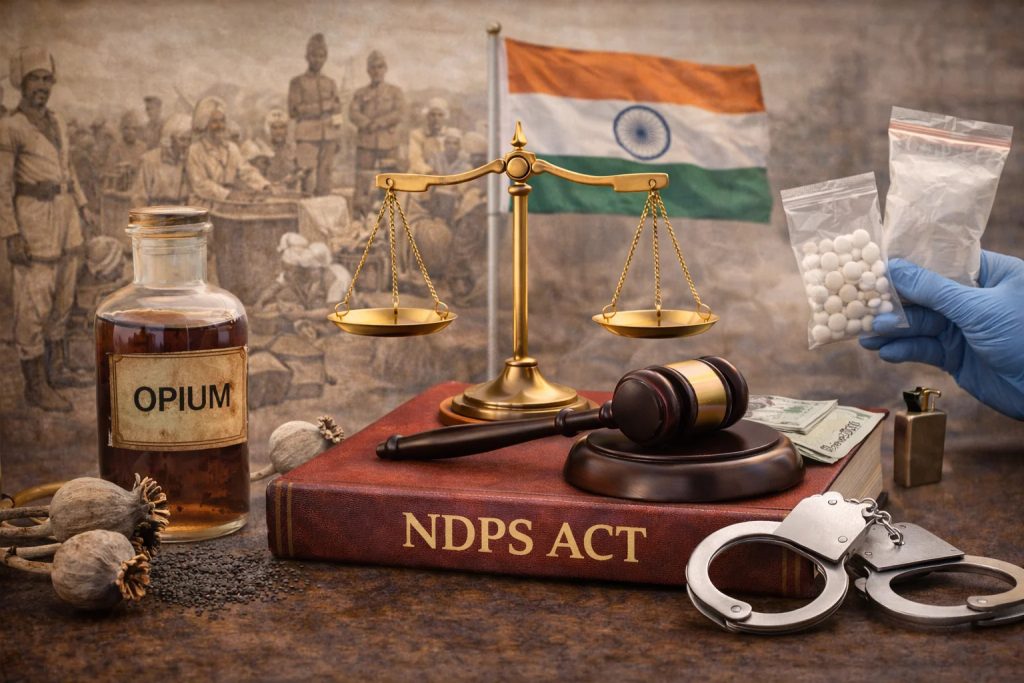
Being accused of a drug-related offence can have serious consequences. Cases involving narcotic drugs and psychotropic substances are governed primarily by the Narcotic Drugs and Psychotropic Substances Act, 1985 (NDPS Act), which contains strict provisions relating to possession, production, transportation, sale, trafficking, and other activities involving prohibited substances. If you or someone close to you is facing an NDPS case in Chandigarh, Punjab, or Haryana, consulting the Best Criminal Lawyer in Chandigarh at an early stage can help you understand the allegations, legal procedure, and available remedies.
What Is the NDPS Act?
The Narcotic Drugs and Psychotropic Substances Act, 1985 is India’s principal legislation dealing with narcotic drugs and psychotropic substances. It regulates and controls activities such as cultivation, production, manufacture, possession, sale, purchase, transportation, import, and export of substances covered by the law.
The Act provides different punishments depending on the substance involved, the nature of the offence, and the quantity of the substance. Therefore, the facts of each case need to be examined individually.
Why Is the NDPS Act Considered Strict?
The NDPS Act contains stringent provisions because drug trafficking and illegal distribution can have serious consequences for public health and safety.
The quantity of the substance can be particularly important. Offences may involve:
- Small quantity
- Quantity greater than small but less than commercial quantity
- Commercial quantity
The applicable punishment and bail considerations can vary depending on the offence and quantity involved.
Common Offences Under the NDPS Act
The Act covers several categories of prohibited activities, including:
Possession
Unauthorised possession of a narcotic drug or psychotropic substance can result in criminal proceedings.
Sale and Distribution
Selling, supplying, or distributing prohibited substances can attract serious punishment.
Transportation and Trafficking
Moving narcotic substances from one location to another or participating in trafficking activities may lead to severe legal consequences.
Cultivation
Certain forms of unauthorised cultivation, including cultivation of prohibited plants, are punishable under the Act.
Financing or Harbouring Drug Activities
The law also addresses financing drug trafficking and other activities connected with illicit narcotic operations.
How Quantity Affects an NDPS Case
Quantity is an important factor in many NDPS cases. The law generally distinguishes between small and commercial quantities, with different consequences depending on the offence and substance involved.
For certain offences involving commercial quantities, Section 37 of the NDPS Act imposes stringent conditions for bail. The prosecution must be given an opportunity to oppose bail, and where it does so, the court must be satisfied about the statutory conditions before granting release.
For several offences involving commercial quantities, the NDPS Act provides for rigorous imprisonment of at least 10 years, which may extend to 20 years, along with fines, depending on the applicable provision.
Search, Seizure and Investigation
Search and seizure are important stages in an NDPS investigation. Authorities must follow the applicable statutory safeguards and procedural requirements.
After a seizure, the investigation may involve examination of the seized substance, preparation of relevant documentation, recording of statements, forensic analysis, and collection of other evidence.
The handling and documentation of seized material can become significant during the subsequent court proceedings.
What Happens After an NDPS Arrest?
An NDPS case can involve several stages:
Arrest
Depending on the circumstances and applicable legal provisions, a person may be arrested during an investigation.
Investigation
Investigating authorities collect evidence, examine witnesses, analyse the seized substance, and investigate the alleged role of the accused.
Filing of the Charge Sheet
After completing the investigation, the investigating agency may submit its report before the competent court where the legal requirements are satisfied.
Trial
The court considers the evidence and arguments of the prosecution and defence before determining the outcome of the case.
Bail in NDPS Cases
Bail in NDPS matters can be particularly challenging, especially where the allegations involve commercial quantities or offences covered by the stringent conditions of Section 37.
However, the outcome of a bail application depends on the specific facts, evidence, applicable provisions, and circumstances of the accused. Legal representation can be important in identifying relevant issues and presenting them properly before the court.
A person facing an NDPS allegation should avoid assuming that bail is either automatically available or automatically impossible. The appropriate legal strategy depends on the individual case.
Rights of an Accused
Being accused of an NDPS offence does not remove a person’s basic legal rights. Depending on the circumstances and applicable law, an accused may have rights relating to:
- Being informed of the grounds of arrest
- Legal representation
- A fair investigation and trial
- Production before the appropriate judicial authority as required by law
- Challenging unlawful or procedurally defective actions
- Seeking bail where legally available
The precise rights and remedies can depend on the facts and stage of the proceedings.
Why Experienced Legal Representation Matters
NDPS cases can involve complex questions relating to search and seizure, possession, quantity, forensic evidence, documentation, statements, chain of custody, statutory compliance, and bail.
An experienced criminal lawyer can examine the case documents, identify potential procedural issues, assess the evidence, and present appropriate arguments before the court.
If you or a family member is facing an NDPS allegation in Chandigarh, Mohali, or nearby areas, consulting the Best Criminal Lawyer in Mohali can help you understand the legal position and available remedies.
Conclusion
The NDPS Act is a strict law that deals with serious offences involving narcotic drugs and psychotropic substances. The nature of the alleged offence, quantity involved, evidence collected, and compliance with applicable legal procedures can all play an important role in an NDPS case.
If you are facing an allegation under the NDPS Act, do not rely on assumptions or delay obtaining legal advice. Chandigarh Advocates provides legal assistance in criminal matters, including NDPS cases, bail applications, and related proceedings, helping clients understand their rights and pursue appropriate legal remedies.
Frequently Asked Questions
1. What is the NDPS Act?
The NDPS Act, 1985 is India’s primary law regulating narcotic drugs and psychotropic substances and prescribing penalties for various prohibited activities.
2. Does the quantity of drugs affect an NDPS case?
Yes. The applicable legal consequences can vary depending on whether the alleged quantity falls within the small, intermediate, or commercial quantity categories applicable to the particular substance.
3. Is bail difficult in an NDPS case?
Bail can be particularly difficult in cases covered by the stringent requirements of Section 37, including certain commercial quantity offences. The court considers the applicable statutory conditions and facts of the case.
4. Can a person accused under the NDPS Act challenge the search or seizure?
Depending on the facts, compliance with statutory search and seizure requirements may be examined during legal proceedings.
5. What evidence is important in an NDPS case?
The seized substance, seizure documents, forensic reports, witness statements, electronic or documentary evidence, and records concerning the handling of the seized material may all be relevant.
6. Can an NDPS case result in imprisonment?
Yes. Punishment depends on the specific offence and applicable quantity. Certain commercial quantity offences carry a minimum rigorous imprisonment of 10 years, subject to the relevant statutory provision.
7. Should I consult a lawyer immediately after an NDPS arrest?
Yes. Early legal advice can help an accused understand the allegations, procedural position, bail options, and available legal remedies.